The Thrill of Uncertainty
The allure of gambling often lies in the unpredictable nature of outcomes. When individuals enter a casino, they are not merely seeking to win money; they are drawn to the excitement that comes with the possibility of a big win. This uncertainty creates a psychological arousal that can be intoxicating, making players consider new ways to enjoy their time, including exploring crypto betting sites. The anticipation of winning, even if it’s just a fraction of the time, can trigger a rush of adrenaline, making the experience feel exciting and rewarding.
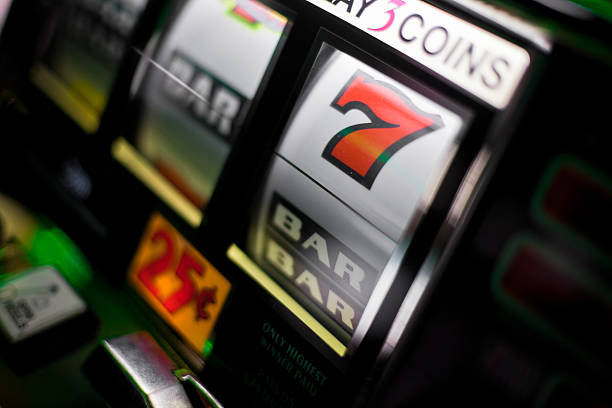
This thrill can lead to a phenomenon known as the “near-miss effect,” where players experience a heightened sense of excitement when they come close to winning. Such experiences can reinforce their behavior, encouraging them to gamble more, as they chase that elusive victory. This cycle of hope and disappointment taps into emotional triggers that make gambling an exhilarating, albeit risky, endeavor.
The Social Aspect of Gambling
Casinos are not just places for solitary gambling; they are social hubs where people interact and share experiences. The social environment of a casino can enhance the enjoyment of gambling, making it more appealing. Gamblers often find camaraderie with fellow players, sharing in the excitement of wins and the disappointment of losses. This social reinforcement can contribute to a sense of belonging and community.
The presence of others can also distract from the losses incurred, making individuals less aware of their spending. This communal atmosphere creates a shared experience, which can lead to longer gambling sessions. The social dynamics at play in casinos illustrate how the environment can shape gambling behavior and lead individuals to continue gambling in pursuit of shared thrills.
Escapism and Stress Relief
For many, gambling serves as an escape from the stresses of everyday life. The casino environment, with its vibrant lights and sounds, provides a sensory overload that allows patrons to forget their worries, if only temporarily. This form of escapism can be particularly appealing for individuals facing personal or financial struggles, as it offers a distraction from their reality.
This coping mechanism can lead individuals to gamble more frequently, as they seek solace in the excitement and distraction that casinos offer. While this may provide immediate relief, it can also lead to problems if the individual feels compelled to keep returning for the escape, ultimately fostering a cycle of dependency on gambling as a means of dealing with life’s challenges.
The Role of Cognitive Biases
Cognitive biases play a significant role in gambling behavior, influencing how individuals perceive risks and probabilities. Many gamblers exhibit the illusion of control, believing that they can influence the outcome of games through skill or strategy, even in luck-based games like slots or roulette. This misconception can lead players to take higher risks, thinking they have a better chance of winning than they actually do.
Additionally, the gambler’s fallacy—believing that past events affect the likelihood of future outcomes—can further distort decision-making. These cognitive biases can lead to overconfidence, encouraging people to gamble more and potentially exacerbating financial losses. Understanding these psychological factors can help both individuals and professionals in identifying and addressing problematic gambling behaviors.

The Importance of a Secure Gambling Environment
As the gambling landscape continues to evolve, ensuring a secure environment is critical for players. Today’s online casinos must prioritize user security, employing advanced technologies to protect sensitive information and create a safe gambling experience. This commitment to player safety not only builds trust but also enhances the overall enjoyment of the gambling experience.
When players feel secure and protected, they can fully engage in the excitement of gambling without the additional stress of potential security breaches. This focus on security is essential in fostering a positive relationship between players and casinos, ensuring that gambling remains a thrilling, yet safe, form of entertainment.
